The CXC and the SAO Summer Astronomy Intern Program
Jonathan McDowell
In 1994, the Smithsonian Astrophysical Observatory (SAO) opened a new summer opportunity to train undergraduates in research, as part of the NSF-funded Research Experience for Undergraduates (REU) program. The SAO Astro REU was conceived, proposed, and led by the CXC’s Christine Jones; I, Jonathan McDowell, soon joined the organizing team and, following Christine stepping away to other duties, ultimately took over the program alongside Matt Ashby (of the OIR division at the SAO). Other CXC/HEAD personnel who supported the program included Kim Dow, Sherry Winkelman, Saku Vrtilek, Marie Machacek, Liz Bohlen, Natanya Ness, Kara Tutunjian, and Melissa Cirtain.
From 1994 to 2025, we taught 341 undergraduates from 166 institutions, including 194 women and 66 students from underrepresented minorities. Each student conducted a research project, resulting in an internal paper, a short presentation at our end-of-summer symposium, and a poster at the January AAS. We put special emphasis on scientific writing and communication skills, making the students write multiple drafts of their paper that were reviewed by both their advisor and the program directors; many of these projects were eventually published as journal papers. Projects were advised by scientists from all CfA divisions, including many CXC scientists, and the program has introduced several new generations of astronomers to high energy astrophysics.
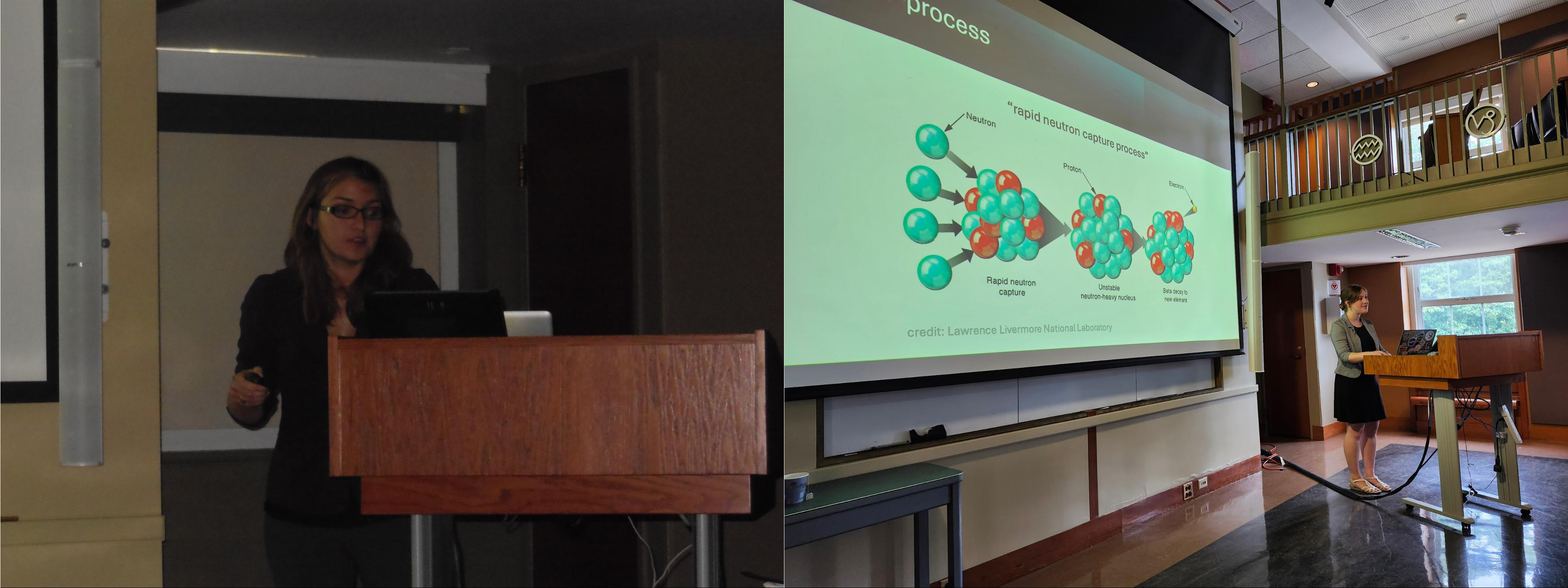
Left: Ashley Villar presenting her summer research in 2013. Right: Christine Gyure presenting her research in 2024. Now on the Harvard faculty, Ashley continued her role in the program by serving as Christine's advisor.
Many of the alumni of the program have continued in the field, such as Rob Simcoe (MIT/Kavli), Jen Lotz (STScI), Alice Shapley (UCLA), Jason Wright (PSU), Carolyn Ernst (APL), Alceste Bonanos (National Observatory of Athens), Brant Robertson (UC Santa Cruz), Annika Peter (OSU), Sarah Ballard (Florida), Greg Mosby (GSFC), Ashley Villar (Harvard), Catherine Zucker (SAO), and many others. Some of these alumni are working or have worked in high energy astronomy—for example Amy Winebarger (MSFC), Nicole Lloyd-Ronning (Los Alamos), Ken Rines (WWU), Dan Wik (Utah), Joey Neilsen (Villanova), and Tyrel Johnson (formerly GSFC). We have also managed to attract alums back to Harvard for graduate school, including Osase Omuruyi, Jea Adams, Chima McGruder, Amber Medina, and Peter Blanchard.
Seeing these young scientists go on to fabulous careers has been a highlight of my own career. One of the goals of the program is instilling in the students not just technical skills, but a sense of community, an appreciation for the importance of ethical and collegial behavior, and that research—albeit always challenging—can be fun. I’m glad to report that these lessons seem to have stuck, as I frequently see our former students passing on these principles to their own academic progeny. Often students from less famous schools or from disadvantaged backgrounds are intimidated by the idea of coming to Harvard, and so a key role of the program directors and advisors has been to make everyone feel that they are welcome and that they belong here. Part of how we build that welcoming environment has been through mixing the serious activities with a variety of adventures, starting on arrival day, the first Sunday in June, with an expedition to Harvard Square for dinner to break the ice. Additionally, the annual visit to the Chandra OCC is always a highlight of the summer.
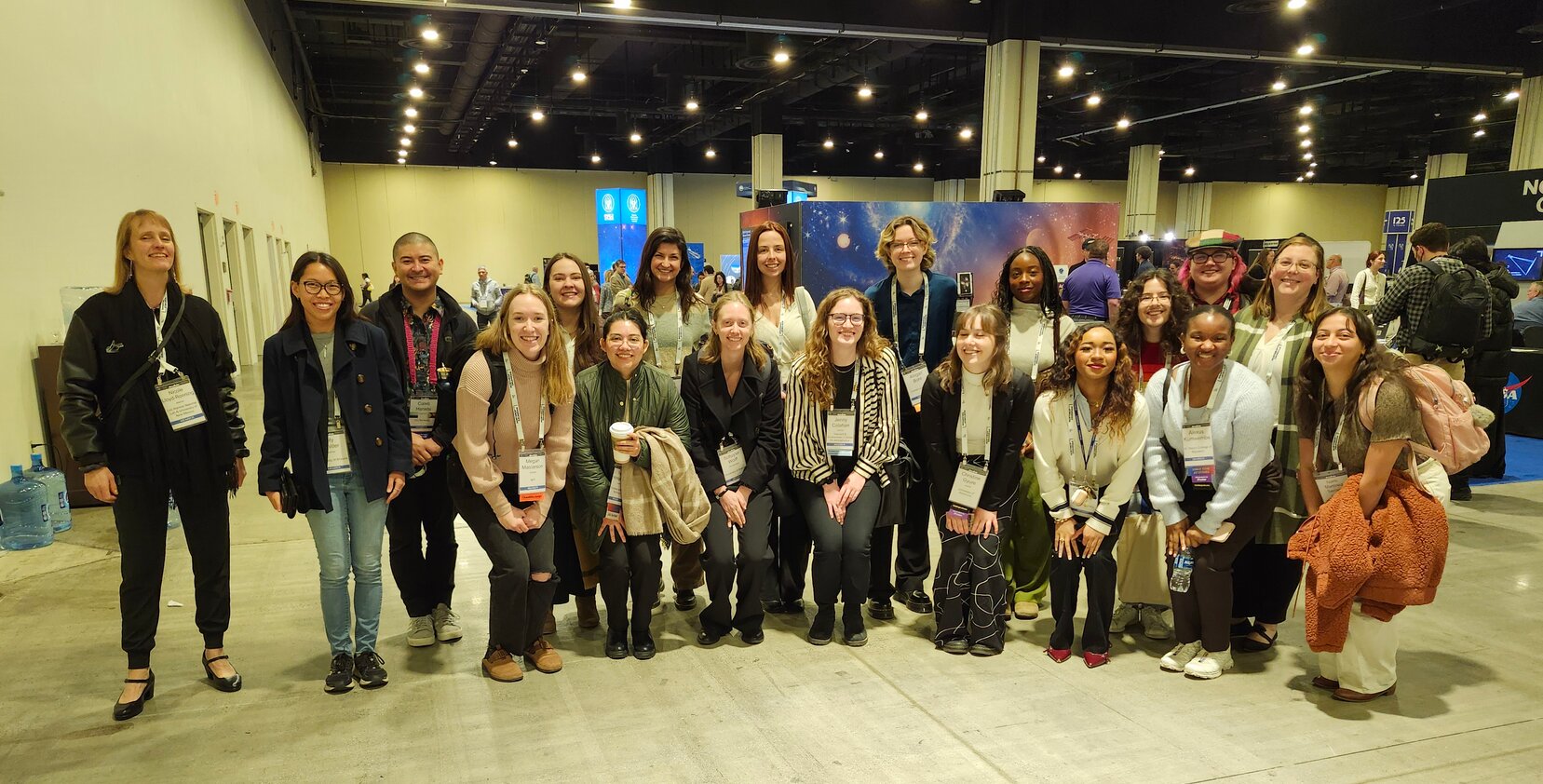
REU alumni at AAS 245 (January 2025) gathering for lunch; the REU classes represented stretch from 1995 through 2024.
Every year at the January AAS we have had a reunion lunch for current and former students—often 30 or 40 attendees—which has been not just a good networking event but also an emotional opportunity for me to reconnect with the past students. I also try to keep in touch with those students who no longer go to AAS, like Nathan Sanders, who went to Legendary Pictures to do data science, and Sarah Scoles, who writes fabulous popular science books.
I have officially retired from the CfA and the CXC as of Jan 2026, and I am passing the summer program torch to others. My 32 years working with summer students at the CfA have been incredibly rewarding, and I’d like to thank Christine, Matt, and the other program directors for helping create what I think has been the flagship summer program of not just the CfA but of the entire US astronomy community. We set out to make that community a more congenial and thoughtful one, which would attract and retain talented individuals who previously felt less welcome, and I believe we have succeeded in bringing positive change to the field.
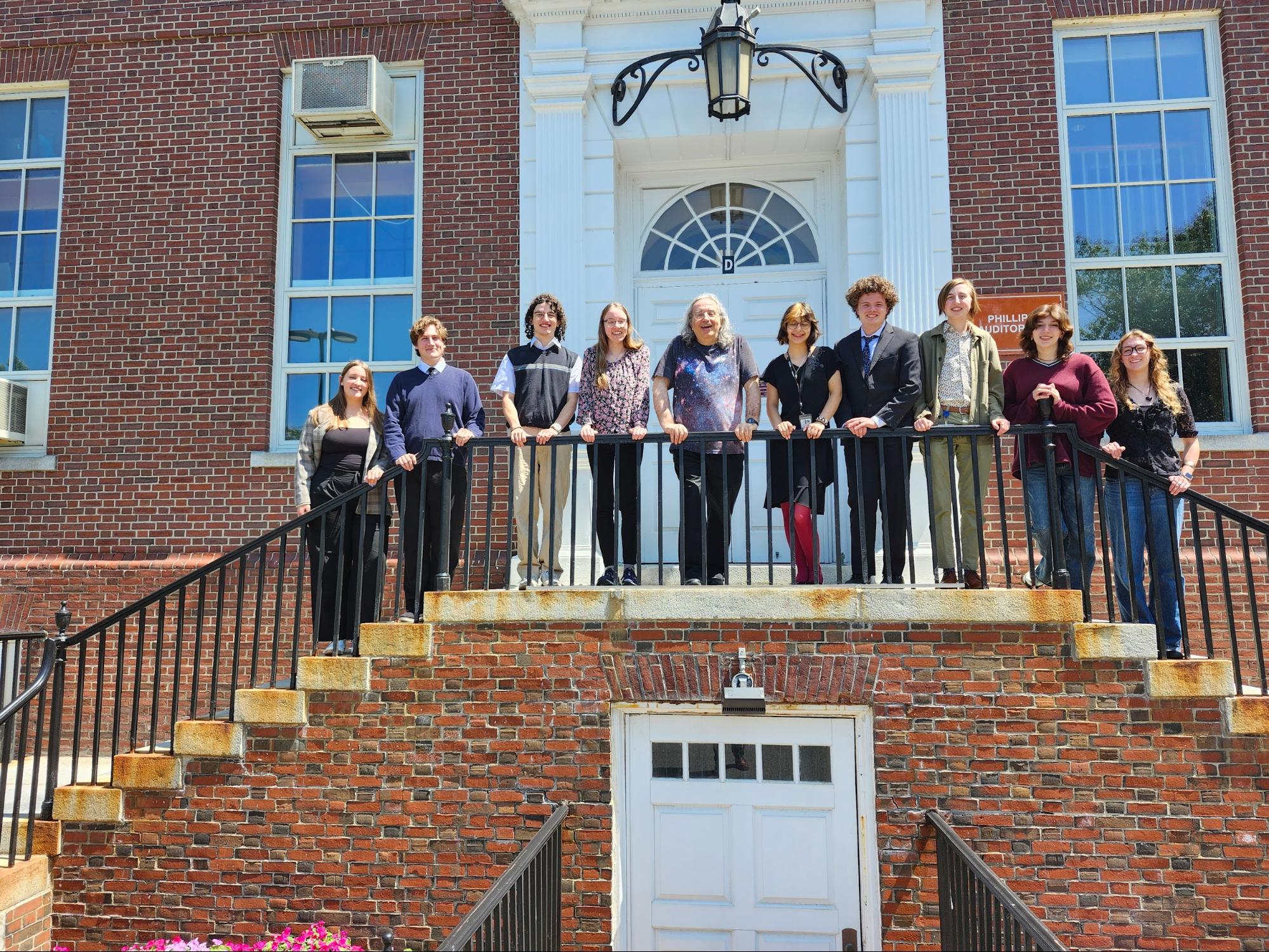
The 2025 interns with Jonathan.